

EU Compression Apparel: MOQ, Lead Time & Pricing
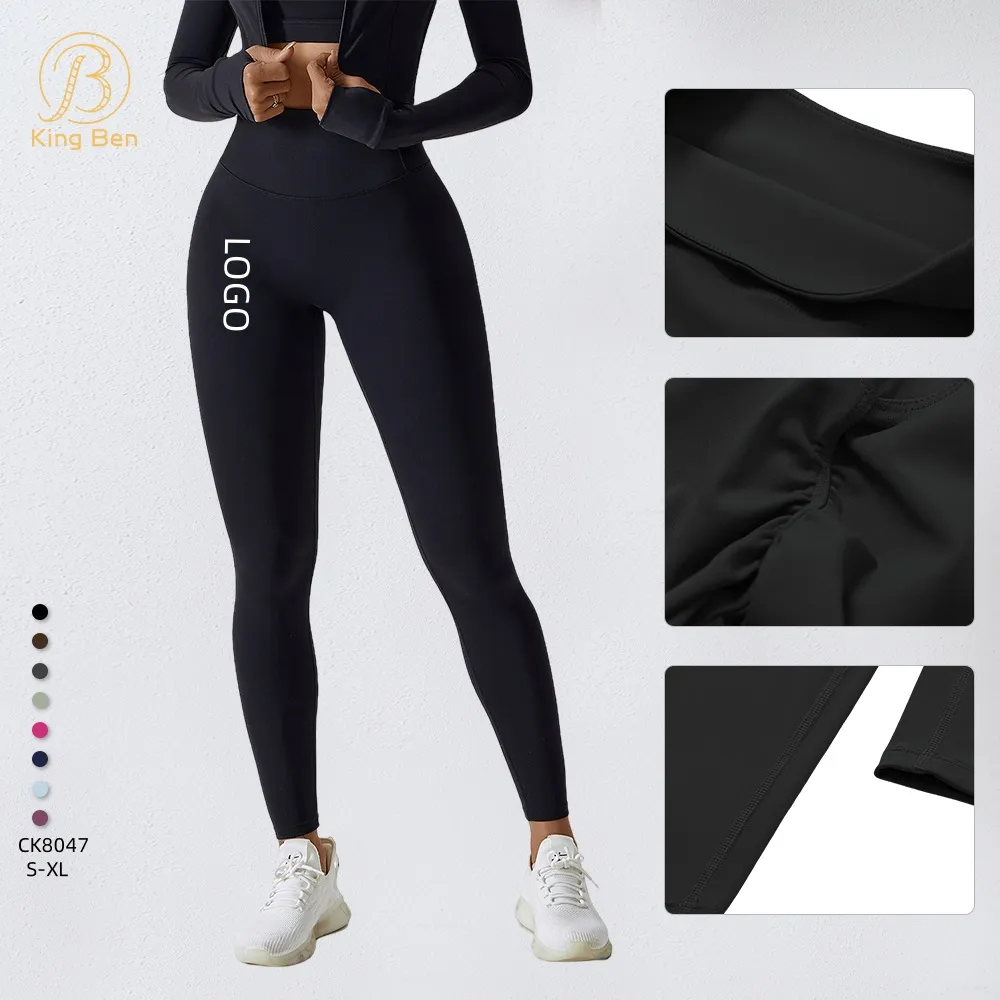
Technical compression leggings produced for a European retailer — flatlock seams, graduated compression, and EU-compliant fabric.
Compression apparel is one of the highest-value categories in European sportswear — and one of the easiest to get wrong on cost and timing. Here’s a transparent look at the numbers behind a European compression line: realistic MOQs, end-to-end lead times, and how pricing actually scales with volume.
Why compression is worth the effort
Across the EU, compression wear has moved out of the elite-athlete niche and into mainstream gym, running, and cycling wardrobes, driven by demand for recovery wear and the performance look. That shift matters for brands for one simple reason: compression commands a higher price point than basic activewear, and it earns stronger customer loyalty once the fit is right. Get the fabric and construction correct, and customers reorder.
What actually goes into a compression garment
A compression tight or top is a technical product, not a thicker legging. The difference shows up in every step of the build:
- Fabric — nylon–spandex blends with high elastane content, engineered for controlled stretch and recovery so the garment holds its shape and compression over many washes.
- Construction — flatlock seams that lie flat against the skin, and panel construction that places compression where it supports, not where it restricts.
- Grading — a tighter size curve than lifestyle activewear, because compression is unforgiving when the fit is even slightly off.
That engineering is why compression costs more per unit than a basic legging — and why it’s worth budgeting for fabric and construction rather than cutting corners on either.
Realistic MOQs
In practice, a first European compression order usually looks like this: three core styles, each in two colours, at 50–100 pieces per colour. That keeps the initial stock tight, lets you validate fit and sell-through, and sets up a larger reorder on the winners.
Lead times, end to end
A single supplier that owns fabric sourcing, cutting, and sewing can keep the timeline short and predictable. For a standard compression line, the stages stack like this:
- Sampling — 7–10 days from approved tech pack to a wearable sample.
- Fabric — 10–15 days for standard stock fabric; longer for custom development.
- Production — 15–25 days depending on volume and complexity.
- QC and shipping — 3–7 days for final inspection and consolidation.
Add it up and a standard order lands in 25–35 days. The single biggest lever on that number is fabric — when you design on stock fabric, you skip the longest wait.
Pricing that scales with volume
Compression pricing follows a clear curve. At minimum quantities the per-unit cost is highest, because setup work — pattern, grading, and line preparation — is spread over fewer pieces. As volume rises, that fixed cost dilutes and fabric efficiency improves:
The practical takeaway: don’t over-buy your first run to chase a lower unit price. Validate the product first at 50–100 pieces, then scale the reorder where the unit economics improve naturally.
EU compliance and labelling
Selling into Europe means the product and its paperwork have to be ready for scrutiny. A compliant compression line includes OEKO-TEX–certified fabrics, REACH-compliant materials and dyes, EU-format care and fibre labels, and a size curve cut to European bodies. None of it is optional once you’re shipping into the single market — and it’s far easier to build compliance in from the first sample than to retrofit it later.
The takeaway
Compression rewards planning. Budget for fabric and construction, start at 50 pieces to validate the fit, design on stock fabric to protect your lead time, and let volume do the pricing work on the reorder. A supplier that handles the whole process under one roof turns all of that into a single, predictable timeline.
Get a real number for your compression line
Send us your spec and we’ll come back with an MOQ, a lead time, and a price — within 24 hours.